
news
Gamification: Why Play Drives Progress
What makes someone say, “I think I can do better. Can I try again?”
That desire to improve, experiment, and keep going is at the heart of gamification.
In this Think & Move episode, Mike Studer breaks down the science behind gamification—and why it plays such a powerful role in motivation, engagement, and brain–body training.
More importantly, gamification is far more than just “playing games.” It’s a science-backed approach that taps into how the brain naturally learns, adapts, and grows.
Gamification Is Already Part of Everyday Life
Whether it’s tracking social media engagement, closing fitness rings, or trying to beat a GPS arrival time, gamification is already woven into everyday life.
These experiences create feedback loops that encourage motivation, participation, and progress.
As Mike explains in the video, “You, my friend, are gamifying.”
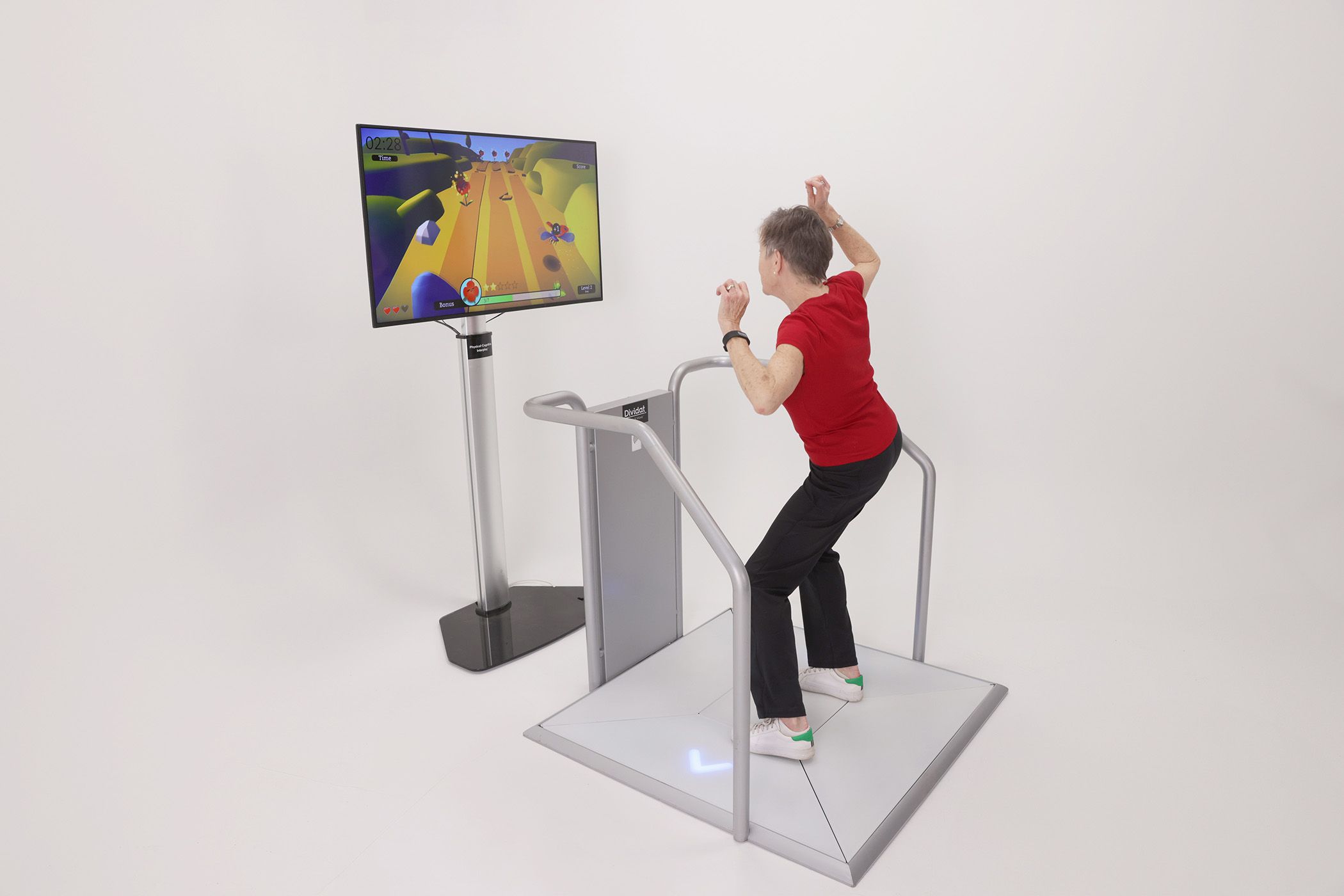
That same behavioral science is intentionally built into the Dividat Neuro Gym experience. Every game is designed to create an engaging environment that motivates users to participate, improve, and keep coming back.
Why Feedback Fuels Motivation
One of the most powerful elements of gamification is measurable progress.
When users establish a baseline and then see improvement over time, it creates what professionals refer to as enhanced expectancies—the belief that improvement is possible.
That sense of progress encourages users to stay engaged, continue practicing, and remain motivated even as challenges become more difficult.
Instead of focusing solely on the exercise itself, users become immersed in the experience:
Trying to beat a score
Improving reaction time
Responding more accurately
Exploring what they’re capable of accomplishing
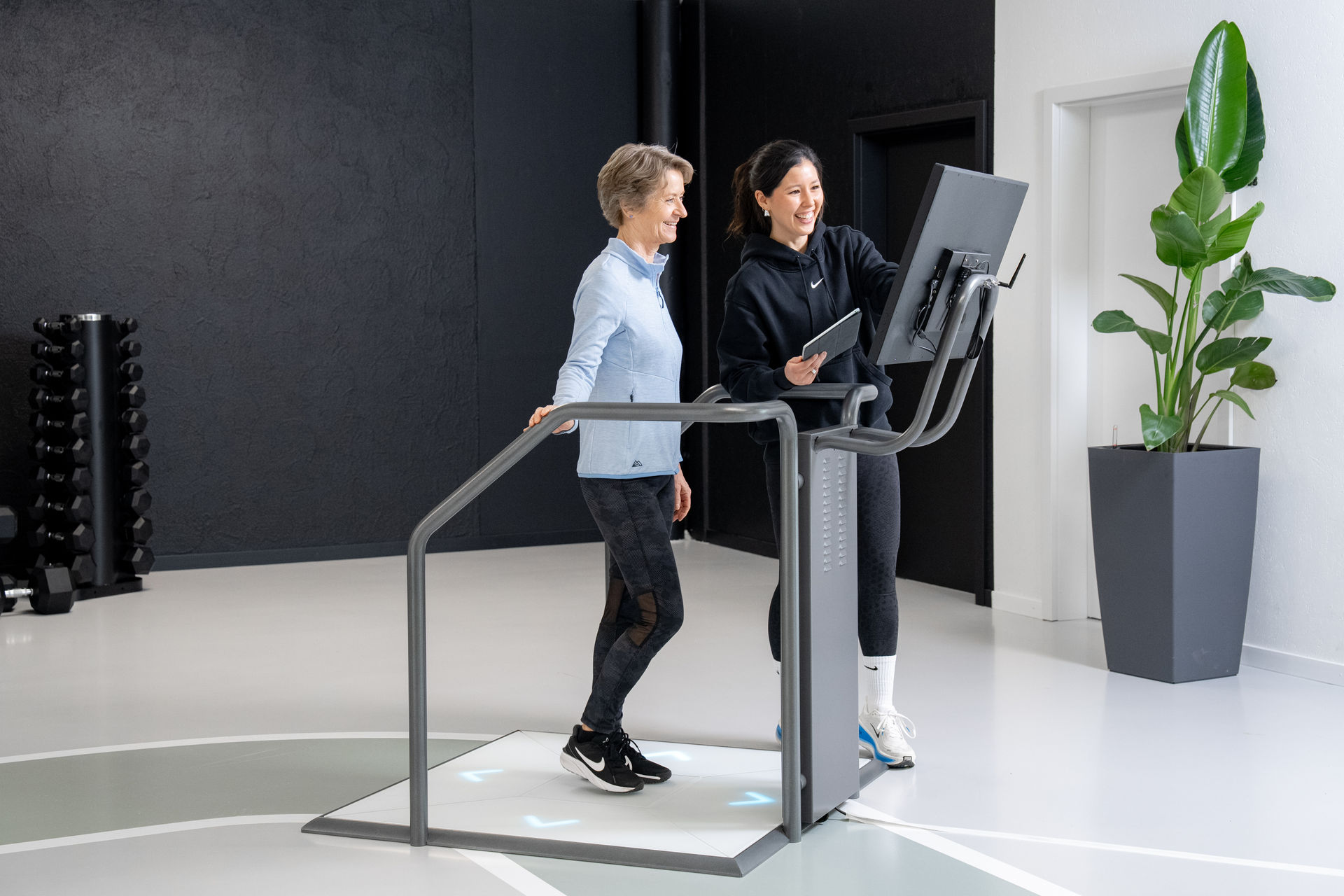
This shift from “exercise” to “interactive challenge” is one reason gamified training can feel more enjoyable, motivating, and sustainable.
Dopamine, Neuroplasticity, and Brain Growth
Gamification also plays an important neurological role.
When people attempt a challenge, work toward success, and achieve meaningful wins along the way, the brain releases dopamine—a neurotransmitter tied to motivation, reward, and learning.
Mike describes dopamine as a kind of “fertilizer” for neuroplasticity, the brain’s ability to adapt and strengthen neural pathways through repetition and experience.
But improvement doesn’t happen when tasks are too easy—or too difficult. The ideal challenge level is one where users succeed often enough to stay motivated, while still being challenged enough to continue improving.
That’s where the adaptive design of the Dividat Neuro Gym becomes especially important.
Adaptive Training That Meets Users Where They Are
Rather than offering a one-size-fits-all experience, the platform dynamically adjusts difficulty based on individual performance.
Using adaptive technology, games respond in real time to how users are performing—helping maintain the ideal balance between challenge and success.
That means:
New users can build confidence
Experienced users can continue progressing
Training stays engaging over time
Users remain motivated to keep improving
The result is a brain–body training experience that feels less like traditional exercise and more like meaningful play.
Bringing Brain–Body Training to Life
Gamification isn’t simply about entertainment—it’s about creating experiences that drive participation, motivation, and measurable progress.
By combining movement, feedback, adaptive challenges, and engaging gameplay, the Dividat Neuro Gym helps transform training into something users genuinely want to return to.
Because when people are motivated to keep trying, keep improving, and keep playing, meaningful change becomes possible.
Watch the video below to see how gamification comes to life through brain–body training.
Curious how gamified brain–body training could support engagement, motivation, and measurable outcomes in your space? Schedule a personalized demo to experience the Dividat Neuro Gym firsthand.