
news
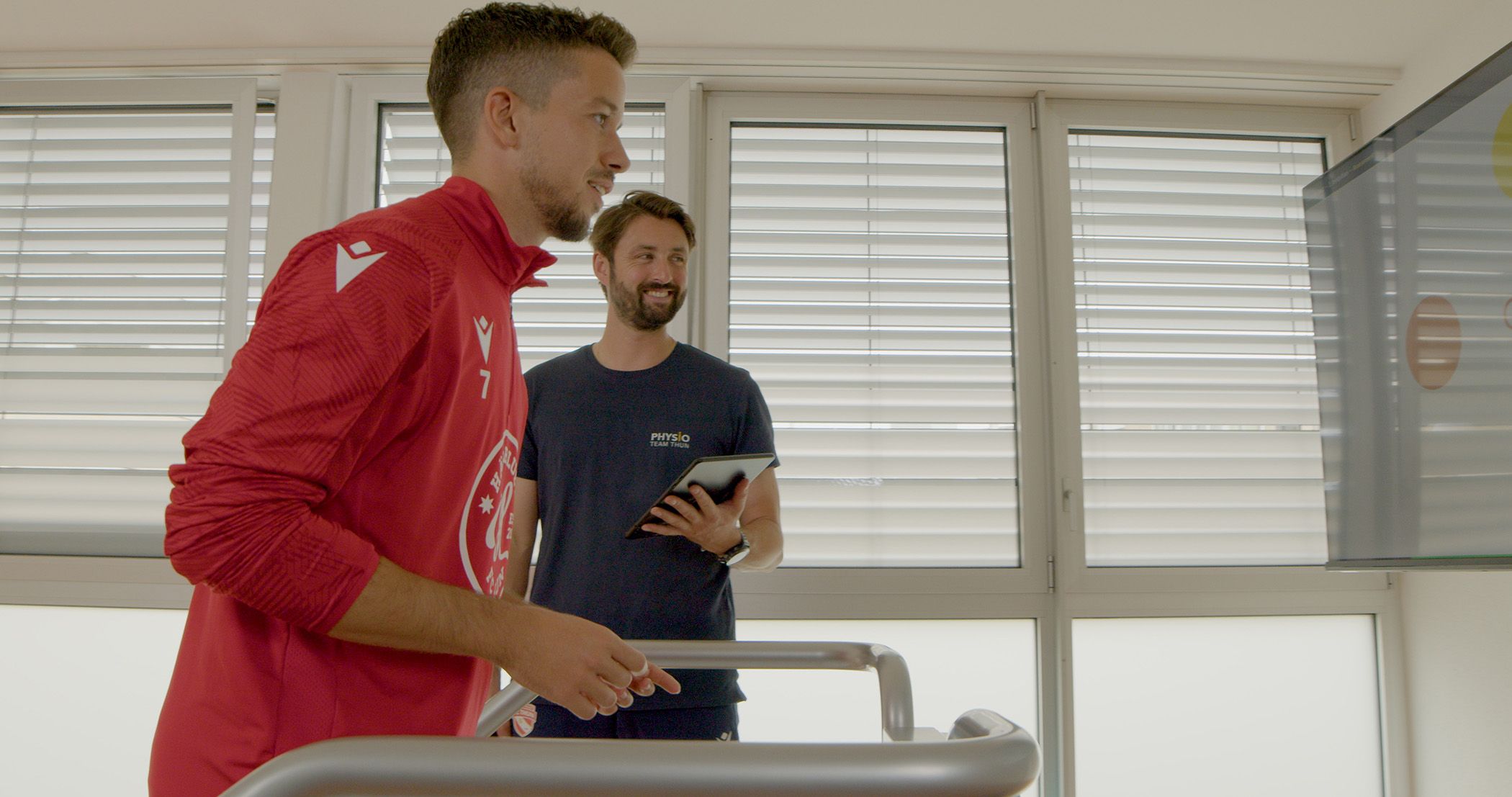
When people think about balance, they often focus on physical factors such as strength, stability, and coordination. While those elements are certainly important, balance is also deeply connected to psychology. In Episode 4 of the Think & Move series, Mike Studer explores the powerful relationship between confidence, fear of falling, and movement—and why improving balance often requires addressing both the body and the mind.
The Hidden Impact of Fear
For many older adults, fear of falling can have a significant impact on daily life. Research suggests that between 25% and 40% of older adults experience a fear of falling, and that number increases after someone has experienced a fall. Even when physical abilities remain intact, that fear can begin to influence decisions about activity, exercise, and participation in everyday life.
Over time, concerns about falling can quietly affect balance confidence, mobility, and independence. Thoughts such as "I shouldn't do that" or "What if I fall?" can become powerful barriers that discourage people from participating in the very activities that help maintain balance, strength, and overall function. As Mike explains in the episode, fear can be incredibly insidious—often shaping behavior before a person even realizes it.
Why Confidence Matters
In rehabilitation and wellness settings, confidence is often described as self-efficacy—the belief that our actions can lead to meaningful improvement. When people believe their efforts will make a difference, they are more likely to stay engaged, practice consistently, and continue challenging themselves. Whether the goal is improving balance, reducing fall risk, or maintaining an active lifestyle, confidence plays a critical role in long-term success.
The challenge is that confidence cannot simply be given to someone. It must be built through experience. People need opportunities to see progress, recognize success, and develop trust in their own abilities. When that happens, confidence can begin to replace uncertainty, creating a positive cycle that supports continued growth and healthy aging.
Sneaking Up on Fear
One of the unique aspects of the Dividat Neuro Gym is its ability to help users rebuild confidence in a way that feels natural and engaging. Rather than focusing on limitations or fear, participants are immersed in interactive activities that encourage them to think, react, and move.
As Mike puts it, the training can almost "sneak up on fear." Users become focused on the game, the challenge, and the experience itself. They are having fun, staying engaged, and building important physical and cognitive skills without dwelling on what they may be afraid to do.
This combination of cognitive and physical training helps shift attention away from limitations and toward achievement. Instead of worrying about falling, participants are actively practicing movement, decision-making, reaction time, and balance in a motivating environment that encourages continued participation.
The Power of Seeing Progress
Another important piece of the puzzle is objective feedback. Encouragement from therapists, instructors, and loved ones is valuable, but seeing measurable improvement firsthand can be especially powerful.
As users train, the Neuro Gym provides data that helps track performance and progress over time. Rather than relying solely on someone else's opinion, participants can see tangible evidence that they are improving. That validation helps reinforce the belief that their efforts are making a difference and can strengthen confidence in their abilities.
When people begin to see proof of their progress, something important happens: fear often starts to lose its grip. Confidence grows, movement feels more natural, and individuals become more willing to participate in activities that support their overall wellness and independence.
The Connection Between Confidence and Fall Prevention
Successful fall prevention involves more than improving physical strength and stability. A person's confidence in their ability to move safely can have a significant impact on how they navigate daily activities and maintain an active lifestyle.
When individuals become fearful of falling, they may begin avoiding movement altogether. Unfortunately, reduced activity can contribute to declines in strength, balance, coordination, and mobility over time. Effective balance training helps address both the physical and psychological aspects of movement by building skills while also reinforcing confidence.
By helping individuals improve both their abilities and their belief in those abilities, brain-body training can support long-term mobility, independence, and quality of life.
Building Confidence Through Movement
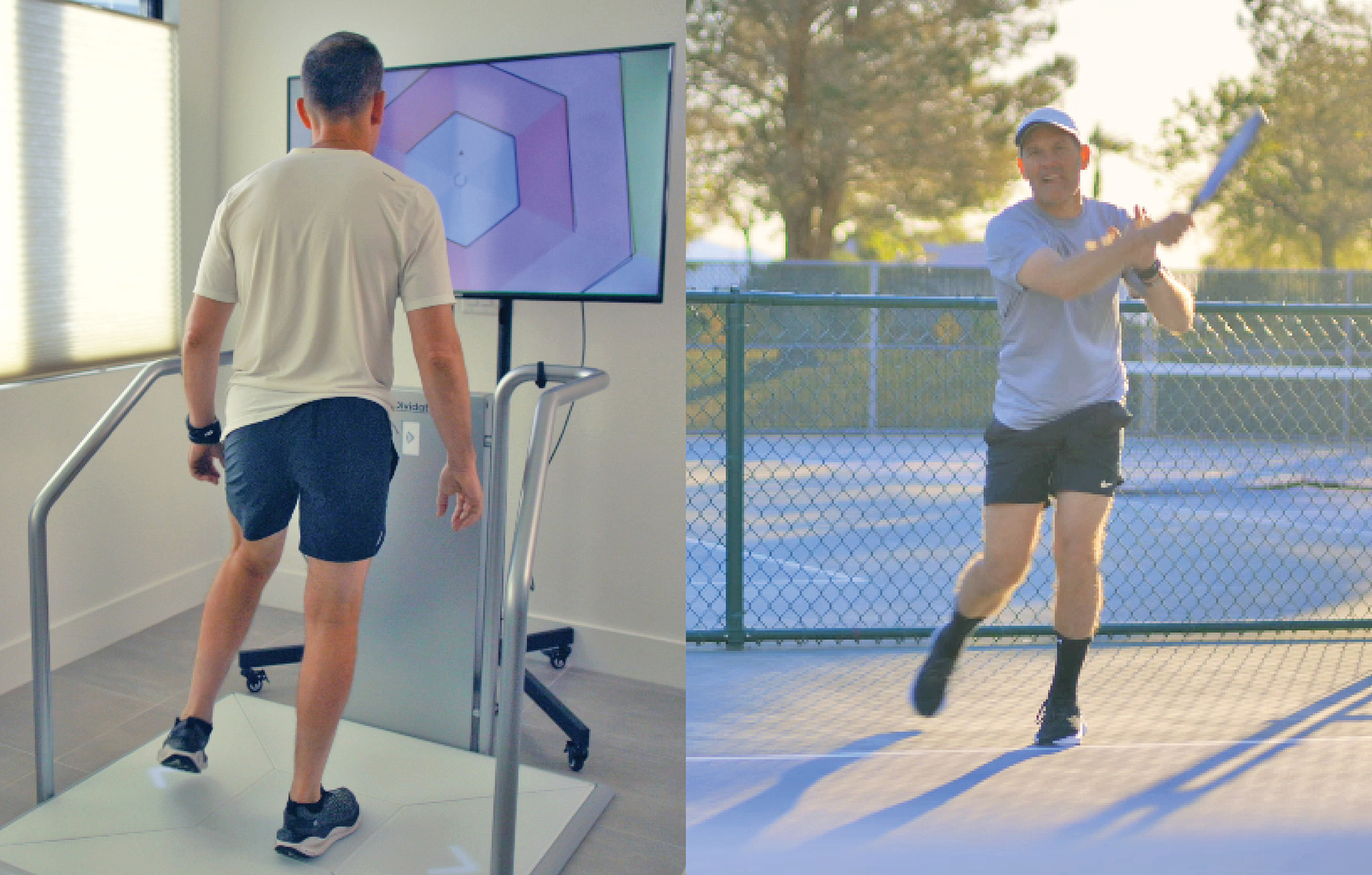
As confidence grows, movement becomes less burdened by fear. People may find themselves reacting more naturally, participating more freely, and approaching activities with greater trust in their abilities. The result is more than improved balance performance—it is a renewed willingness to engage with the world around them.
The psychology of balance reminds us that successful movement is not only about what the body can do. It is also about what the mind believes is possible. By combining brain-body training, engaging experiences, and measurable outcomes, the Dividat Neuro Gym helps users develop both the skills and confidence needed to move through life with greater independence, resilience, and peace of mind. For organizations seeking innovative ways to support balance, mobility, and healthy aging, these benefits can have a meaningful impact on overall wellness and quality of life.
Watch the video below to learn how confidence, fear of falling, and measurable progress can influence balance, mobility, and overall quality of life.
The Dividat Neuro Gym is designed to help users improve balance, mobility, reaction time, and confidence through interactive brain-body training. By combining engaging cognitive and physical challenges with measurable outcomes, the Neuro Gym helps individuals build the skills and self-assurance needed to stay active and independent.
Interested in seeing it in action? Schedule a personalized demo to learn how the Dividat Neuro Gym can support wellness, fall prevention, and healthy aging within your community or organization.